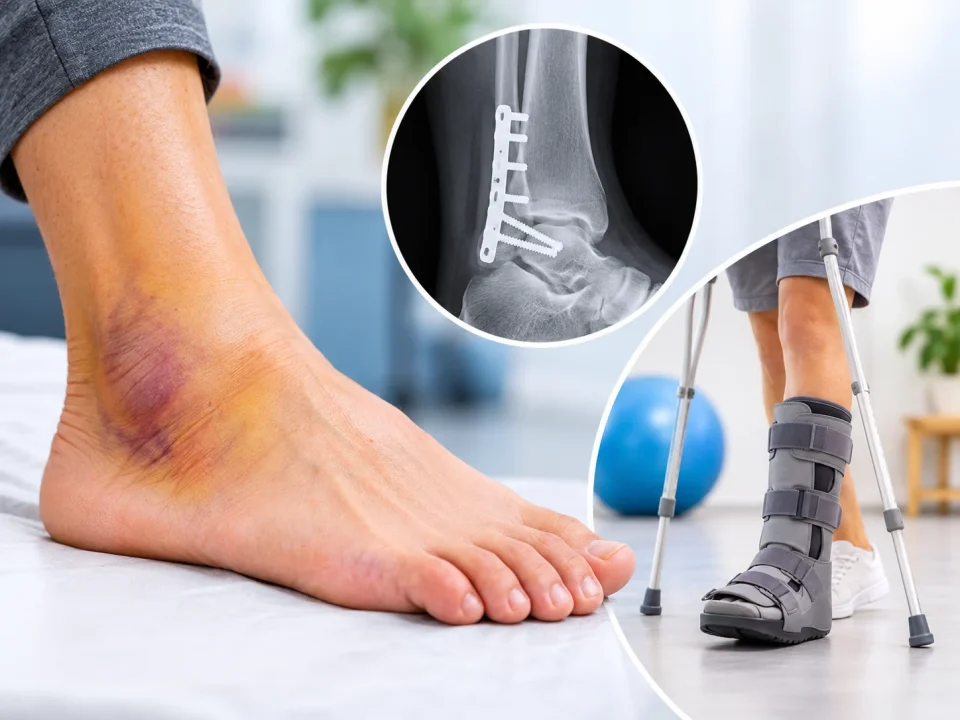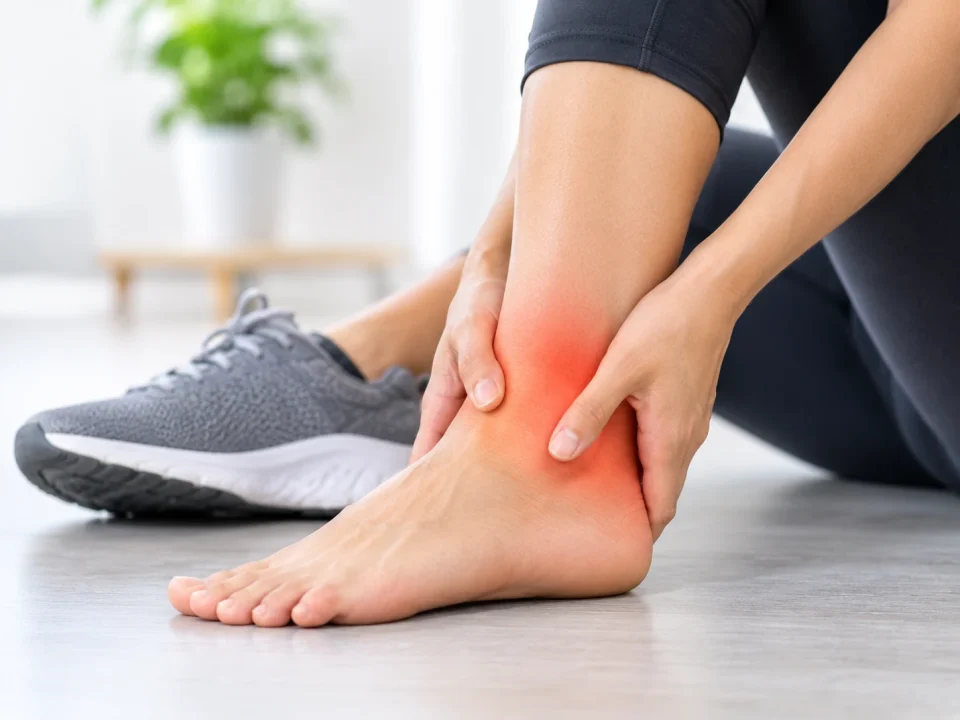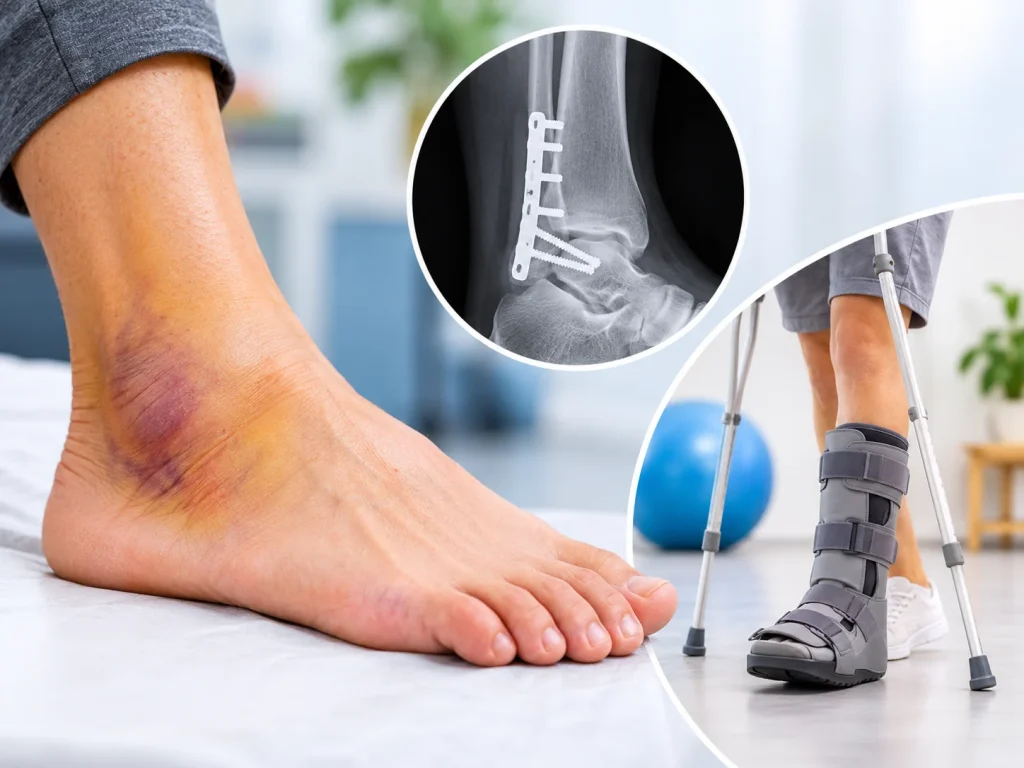

Why Your Ankle Still Hurts After a Sprain and How Ankle Cartilage Injury Fits In
October 27, 2026
Why Does the Ball of Your Foot Hurt When Walking, and What Can Help?
November 10, 2026

Shoulder pain when raising arm usually points to shoulder impingement, where irritated tendons get pinched under the bony roof of the shoulder. Relief starts with small changes to how you sleep, dress and reach, followed by gentle exercises. Many people settle within several weeks to a few months. Get checked early if the arm feels weak, pain wakes you at night, or it began after a fall. It hurts when you pull on a jacket. It hurts when you hold the MRT hand strap. It hurts when you roll onto that side.
If that sounds familiar, here is the short version. Shoulder pain when raising arm height is common, and it often settles with the right changes. This guide starts with what you can do today, then explains why it happens.
Easing Shoulder Pain When Raising Arm
Small habits make a big difference in the first week. Start with the moments that sting the hardest.
At night
Avoid lying on the sore side. Rest on your back with a small pillow under the arm, or lie on the other side hugging a pillow. Both positions take pressure off the irritated tendons.
Getting dressed
Put the sore arm into the sleeve first. Take it out last. This keeps the arm low and the lift short.
At your desk
Support your elbow on the armrest and keep your mouse close. Place a phone or laptop at a height where you do not need to hunch. A rounded upper back crowds the shoulder.
In the kitchen and at the laundry pole
Move everyday items to a shelf between waist and chest height. Use a step stool for the high cabinet. Hang laundry in small batches so the arm does not stay raised for long.
Pain relief
A warm or cold pack can soothe the ache. Use whichever feels better, for about 15 minutes, with a cloth between the pack and your skin. Simple pain relief tablets may help, but check with a pharmacist or doctor first, especially if you take other medicines.
What Is Shoulder Impingement?
Shoulder impingement is a condition where rotator cuff tendons and a cushioning sac called the bursa get squeezed under the acromion, the bony roof of your shoulder, as you lift your arm. Doctors also call it shoulder impingement syndrome. The squeeze irritates the tissue, so each lift hurts a little more. If the pain continues to affect everyday movements, understanding the available shoulder impingement treatment options can help you know when to seek specialist assessment.
Picture a narrow doorway. Your upper arm bone passes through it on every lift. When the tendons swell, the doorway gets crowded.
What Causes Shoulder Impingement?
Three things usually combine.
Overload: Repeated overhead effort irritates the tendons. Swimming, badminton, gym presses, painting ceilings and long laundry sessions all qualify.
Weak steering muscles: The rotator cuff holds the ball of the shoulder in its socket. The shoulder blade should tilt upward as the arm rises. When either lags, the roof comes down on the tendons early.
A crowded space: Swollen tendons, an inflamed bursa or a hooked bone spur all reduce the room. Long hours at a laptop with rounded shoulders add to the problem.
Shoulder Impingement Symptoms
Shoulder pain when raising arm is the signature complaint of shoulder impingement syndrome, and it rarely travels alone. Typical shoulder impingement symptoms include:
- An ache at the front or side of the shoulder
- A catch or twinge halfway through the lift, easing as the arm lowers
- Pain when lying on that side
- Pain when reaching behind you for a seatbelt
- A feeling of weakness when pain flares
Shoulder pain when lifting arm out to the side often shows up as a catch around shoulder height. Doctors call this a painful arc. However, shoulder pain accompanied by progressively worsening stiffness may have another cause. You can also know about frozen shoulder symptoms and how they differ from impingement.
Could it be a rotator cuff tear?
Sometimes. A tear damages a tendon, while impingement irritates it. The two can overlap, so an examination is the only way to separate them. If you notice weakness, difficulty lifting your arm or persistent pain at night, learn more about rotator cuff injury symptoms and when they may need medical attention.
These signs point towards a tear:
- Sudden pain after a fall or heavy lift
- A weak or lagging arm when you lift it
- Pain at rest and at night that keeps returning
X-rays show the bone shape. Ultrasound or MRI shows the tendons.
Shoulder Impingement Treatment When Self-Care Has Not Settled It
If shoulder pain when raising arm has lasted several weeks despite sensible changes, the next step is an assessment. Shoulder impingement treatment builds on the basics. Physiotherapy is the backbone. A programme for the rotator cuff and shoulder blade muscles, with coaching for your sport or job, treats the cause as well as the pain.
A corticosteroid injection into the bursa can calm stubborn pain and open a window for exercises. Relief can be temporary, and your doctor will explain the risks. Keyhole surgery, called arthroscopic subacromial decompression, creates more room under the acromion through small cuts. It is considered after months of good rehabilitation, or when imaging shows a spur or tear.
Shoulder Impingement Recovery Time
Shoulder impingement recovery time varies with how long the pain has been present and how often the shoulder is provoked. Shoulder pain when raising arm tends to improve in stages. Return to sport follows strength and range of movement. The calendar comes second. A typical path looks like this.
The first two weeks: The aim is to calm the irritation. Night pain and the sharp catch often ease first.
The next few weeks: Strength work builds. Reaching overhead gets easier, and daily tasks stop flaring the pain.
Beyond that: Stubborn cases can take a few months. Recovery after keyhole surgery usually runs longer, because tendons need time to regain strength.
When to Get Your Shoulder Checked
Book an assessment promptly if you notice:
- Sudden pain or weakness after a fall or heavy lift
- Inability to lift the arm unaided
- Night pain that wakes you repeatedly
- Numbness or tingling in the arm or hand
- Pain that has stayed after several weeks of self-care
Shoulder or arm pain with chest tightness or breathlessness needs emergency care. Call 995 in Singapore.
Shoulder pain when raising arm height does not have to become part of normal life. Dr Gowreeson Thevendran, a triple-fellowship-trained orthopaedic and trauma surgeon, consults at Island Orthopaedics, at Mount Alvernia Hospital and Mount Elizabeth Novena Specialist Centre. Schedule an assessment with our orthopaedic specialist to find the cause and plan your recovery.
FAQs
Raising the arm narrows the space under the acromion. Swollen tendons or bursa get pinched there. Impingement is a common cause of shoulder pain when raising arm movements. A rotator cuff tear, arthritis or a stiff joint can also cause it.
Mild cases can settle when you trim aggravating activities and keep the shoulder moving. Persistent pain usually needs targeted exercises and an assessment. Ongoing irritation keeps weak muscles and swollen tendons in the cycle.
Keep it moving within a comfortable range. Complete rest can stiffen the joint and weaken the muscles. Reduce the tasks that provoke shoulder pain when lifting arm, such as repeated overhead work, for a short period.
Lie on your back with a small pillow under the sore arm, or on the other side hugging a pillow. Avoid lying on the sore shoulder. These positions reduce pressure on the irritated tendons.
Either can help. Use whichever eases the ache, for about 15 minutes at a time, with a cloth barrier. Heat often loosens stiff muscles. Cold can quieten a sharp flare.
Surgery is usually a later step. Many cases improve with physiotherapy and load changes. It is considered when several months of well-run rehabilitation fail to help, or when imaging shows a structural cause.
Yes, with changes. Choose movements that stay below shoulder height and keep you in the green zone of the traffic light. Pause overhead presses and fast overhead sports until the shoulder settles.
A corticosteroid injection reduces inflammation and can ease pain for a period. The weak muscles and movement habits behind the irritation need rehabilitation. Relief can fade, so exercises remain the long-term plan.
Healing time varies. Many people improve over several weeks with steady exercises and fewer aggravating tasks. Stubborn cases can take a few months. Recovery after keyhole surgery usually runs longer, because the tendons need time to regain strength.
Pause heavy overhead presses, upright rows and fast overhead throwing or smashing until the shoulder settles. Limit carrying heavy bags with the arm held away from your body. Forced overhead stretching can wait for your physiotherapist to add it.