
1st Conjoint MOFAS ASM, August 2026
July 27, 2026
Bone Spur on Your Ankle? Here’s What That Bump Actually Means
August 20, 2026
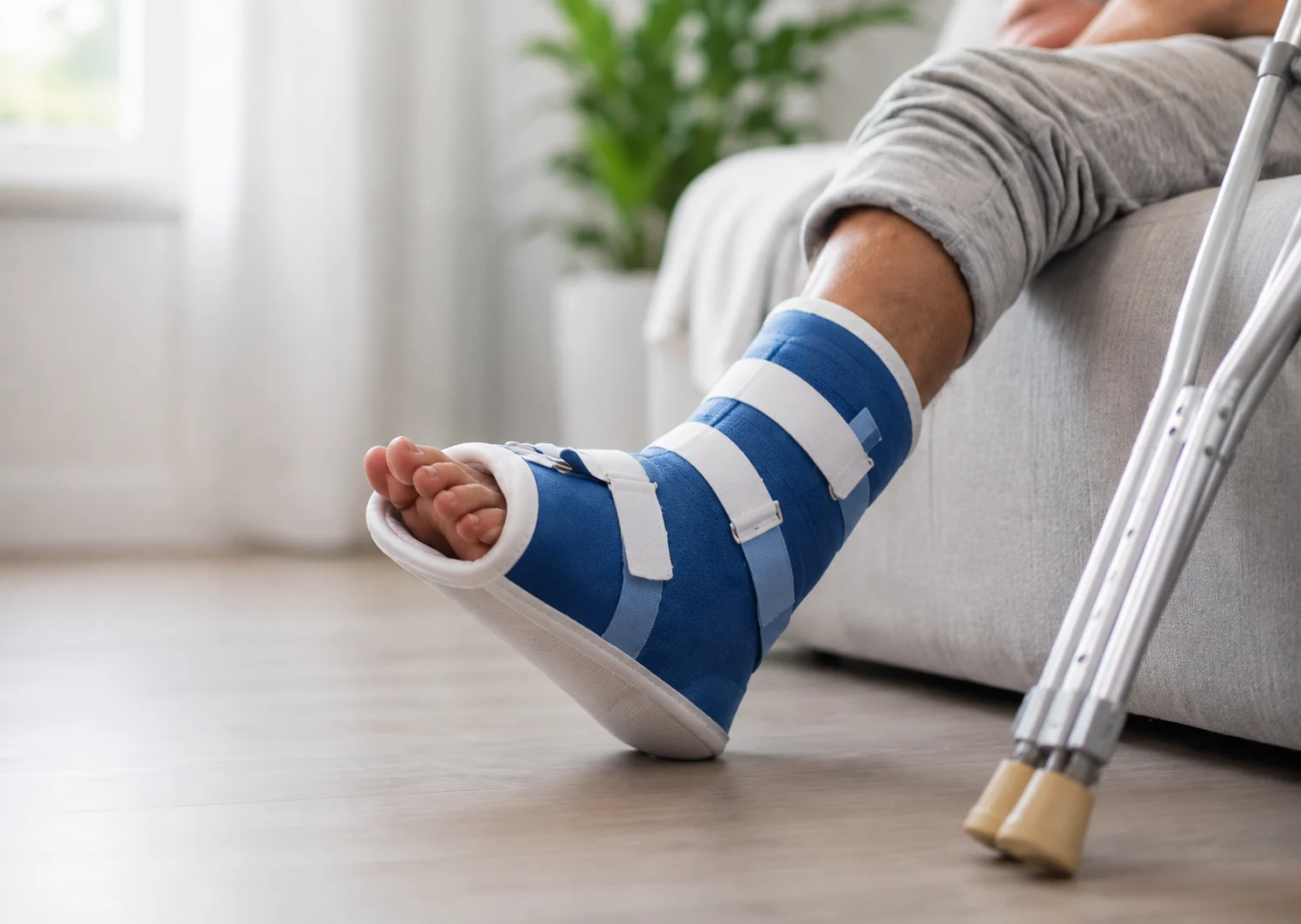
Six weeks in a cast. No weight on that foot. Just you, a pair of crutches, and a question that keeps circling back: is this actually working?
That stretch of not-knowing is the hardest part of flat foot reconstruction surgery, harder for most patients than the operation itself. You’ve made the decision to fix the arch. Now you want a straight answer on the timeline: how long until you’re weight-bearing, how long until you’re walking without thinking about it, how long until you can lace up trainers again.
This guide walks through what flat feet surgery recovery time actually looks like, stage by stage, from the day you leave the hospital to the point where your foot stops being the main character in your life. Whether you’re researching flat foot surgery recovery time before committing to surgery for fallen arches, or you’re a few weeks in and want to know if your flat foot reconstruction surgery recovery is tracking normally, the timeline below covers it.
What Flat Foot Reconstruction Surgery Actually Involves
Flat foot reconstruction isn’t one operation. It’s a category.
Depending on what’s collapsed, the surgeon may work on bone, tendon, or ligament, sometimes all three in a single procedure. A flexible flatfoot that’s still supple might need tendon transfer and soft tissue tightening. A rigid, arthritic flatfoot often needs bone realignment, sometimes fusion of one or more joints.
That difference matters enormously for recovery. A tendon-only repair generally heals faster than a procedure involving bone cuts, because bone needs time to knit before it can bear load safely. If you’ve had your procedure explained to you already, ask specifically which structures were addressed. It changes what “recovery” means for your case.
Flat Foot Surgery Recovery Timeline: Phase by Phase
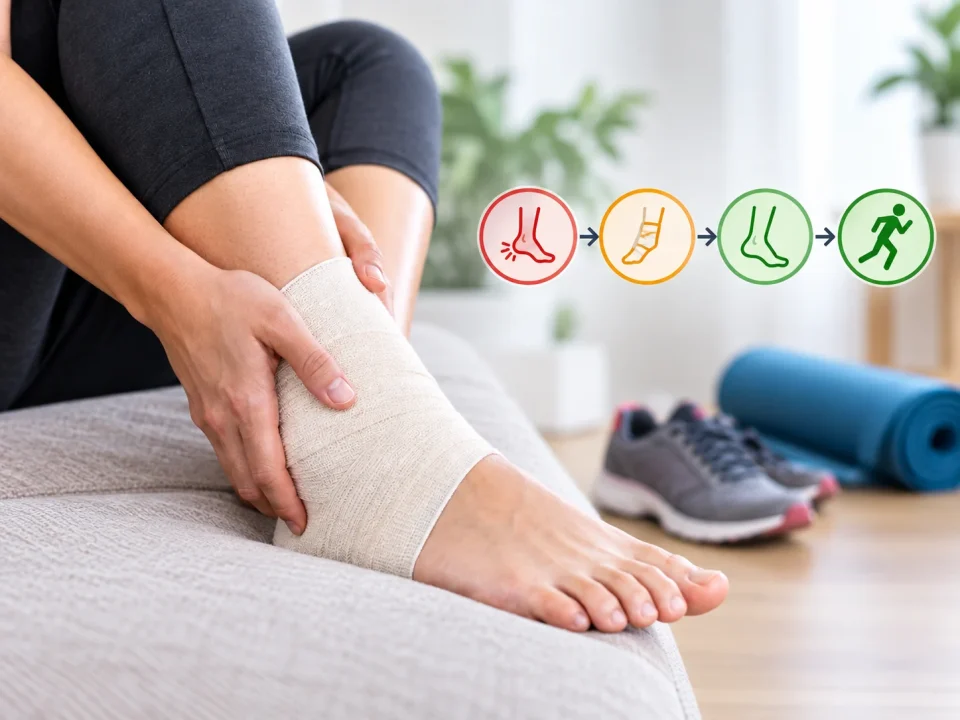
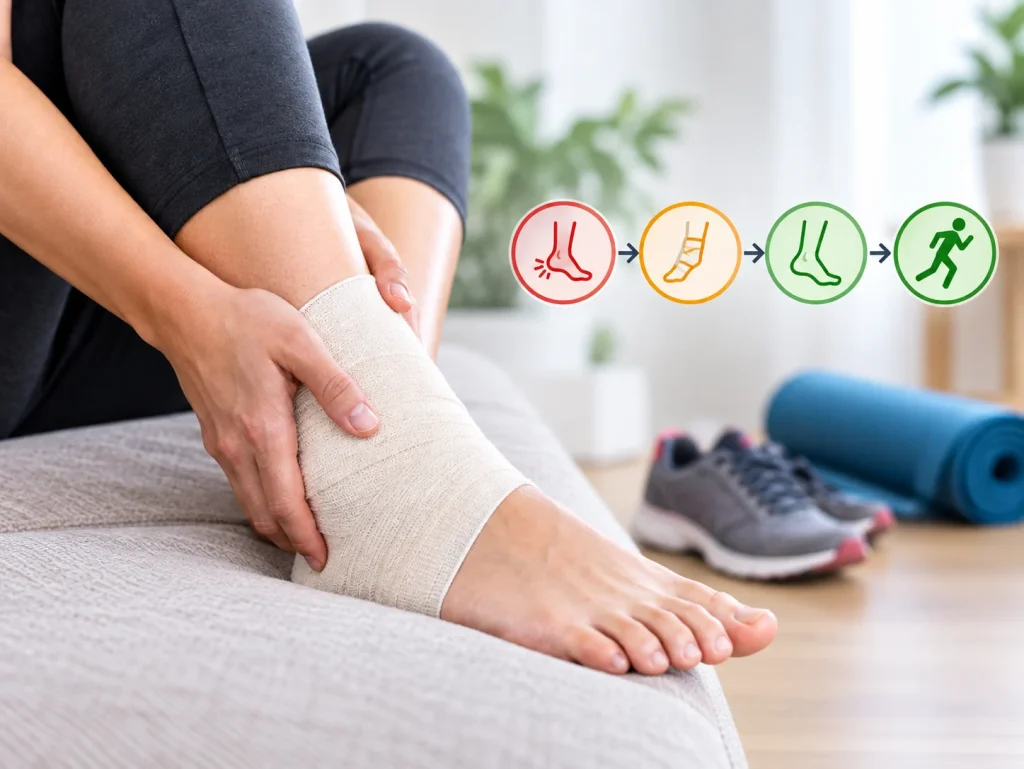
Flat foot reconstruction surgery recovery is not one long convalescence. It moves through three defined phases, each with its own goal, its own restrictions, and its own exercises.
Phase I: Protection and Elevation
Right after surgery, the priority is simple: protect the repair and control swelling. You’ll be non-weight-bearing in a cast, with the foot kept in a dorsiflexed position. Hip and knee range of motion is maintained through light strengthening work (straight leg raises, clamshells) even while the foot itself stays immobilised, along with gentle toe exercises and joint mobilisation as needed.
The precautions here matter as much as the exercises. Keep the incision dry, watch for signs of infection, and avoid leaving the foot hanging down for long stretches in that first week; it slows wound healing. Ambulation in this phase means bilateral crutches, full stop.
Most people underestimate how much elevation matters in this window. Gravity works against a healing foot; ignore it and the swelling drags recovery out.
Phase II: Progressive Weight-Bearing
This is where things start moving. Patients typically progress into a walking boot with full weight-bearing, then into supportive sports shoes around week 6, ambulating with a normal push-off gait pattern as the transition completes. Physiotherapy ramps up here: closed-chain exercises, double-limb proprioceptive work on foam or a rocker board, theraband strengthening for the intrinsic foot muscles, and gastroc-soleus stretching.
Swelling monitoring continues through this phase, and any combined resisted plantar flexion with inversion needs caution: it stresses the healing reconstruction before it’s ready.
Phase III: Strength and Return to Activity
Once gait has normalised in regular shoes, the focus shifts to full ankle strength, balance, and proprioception. Manual therapy, single-limb heel raises, eccentric calf strengthening, incline treadmill walking, and agility drills all build through this stretch, with the goal of a good single-limb heel raise by the 24th week.
Return to recreational activity generally falls within this phase. Plyometrics and higher-impact agility work are introduced from around six months onward, once strength and control support that kind of load.
Recovery pace still varies by patient. What’s above is a typical progression under specialist guidance, not a guarantee: your specific procedure, bone quality, and how closely you followed the non-weight-bearing precautions in Phase I all shift where you land within this framework. Some patients continue to see gradual improvement well beyond the six-month mark, particularly with return to higher-impact activity.
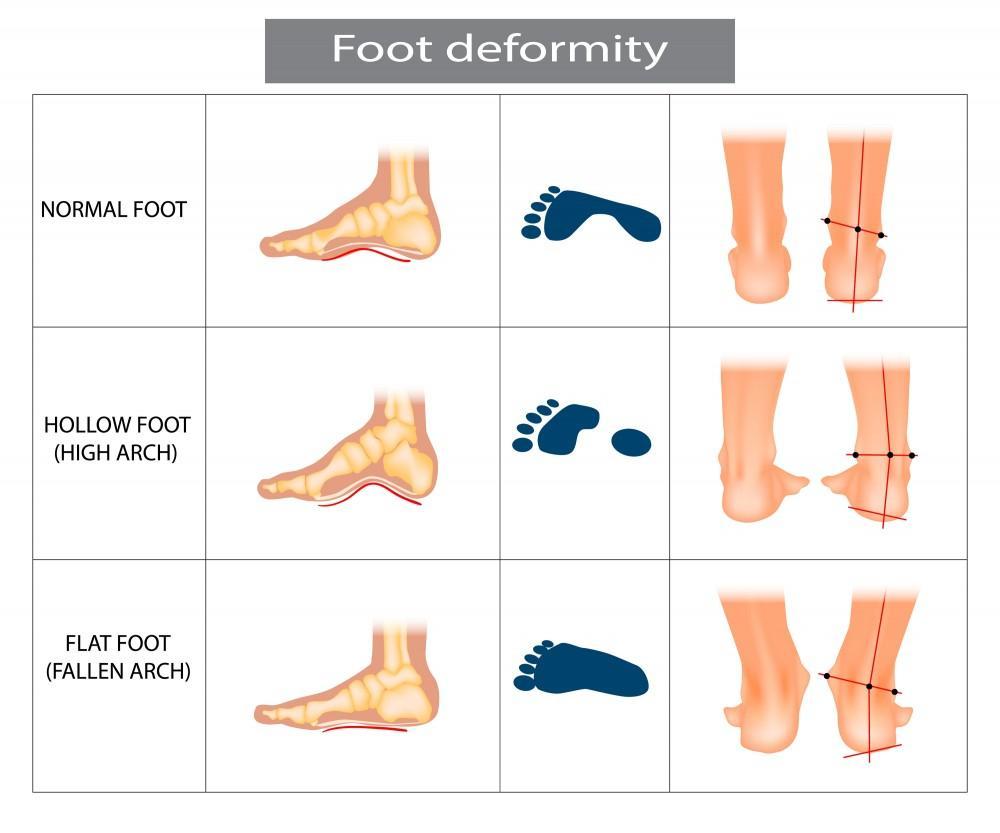
What Physiotherapy Does After Flat Foot Surgery
Surgery corrects the structure. Physiotherapy teaches the foot to work again.
Post-operative physio after flat foot reconstruction generally focuses on:
- Reducing stiffness and swelling left over from immobilisation
- Restoring ankle and foot range of motion, which tightens up significantly after weeks in a cast
- Rebuilding gait and balance, since walking patterns often compensate around the old flat foot and need retraining
- Strengthening the muscles that support the rebuilt arch, including targeted work on the intrinsic foot muscles, so the correction holds under real-world load
Skipping this stage doesn’t just slow recovery. It can leave a stiff, weak foot even after the bone and soft tissue have technically healed.
If you’re weighing whether flat feet surgery is the right route for you, or you want a clearer read on how a specific flat foot reconstruction surgery approach would apply to your case, book an assessment with our team before deciding.
What Affects How Fast You Recover
Not every flat foot recovery moves at the same pace, and the reasons aren’t mysterious.
The type of procedure matters most. Bone-based reconstructions need longer for the skeleton to heal than soft-tissue-only repairs. Whether the case was flexible or rigid flatfoot changes the surgical approach and, with it, the timeline. And, frankly, how strictly you follow the non-weight-bearing instructions in those first six weeks has a real effect on outcome; loading a foot too early is one of the more common ways recovery gets set back.
Age, general health, and smoking status also play into bone healing speed, though the degree varies person to person.
When Can You Walk After Flat Foot Reconstruction?
There’s no single walking milestone; there are several, staged.
Non-weight-bearing typically holds through the first four weeks. From week 4, most patients move into full weight-bearing in a walking boot, then into supportive sports shoes around week 6, with gait pattern normalising through Phase II. By the time Phase III begins around week 12, most patients are walking in regular shoes with a normal push-off pattern, and the work from there is refining strength and balance rather than relearning how to walk.
That’s the general shape. Your surgeon’s read on your specific X-rays and healing pace is what actually sets the schedule.
Signs Your Flat Feet Surgery Recovery Is On Track
You don’t need to guess whether things are going well. A few markers tend to hold true across most recoveries:
- Pain trending down, not staying flat or worsening
- Swelling gradually reducing rather than building
- Weight-bearing increasing safely at each stage, in line with what your surgeon has cleared
- Walking and balance improving as physiotherapy progresses
Small day-to-day fluctuations are normal. A clear, sustained reversal of any of these is what warrants a call to the clinic.
When to Contact Your Surgeon
Most flat foot recoveries progress the way they’re supposed to. But get in touch promptly if you notice:
- Severe or worsening swelling, especially if one leg looks visibly different from the other
- Pain that’s increasing rather than settling
- Signs of wound trouble: redness, warmth, discharge, or fever
- A recovery that seems to have stalled compared to what you were told to expect
Your surgeon and physiotherapist are the two people best placed to tell whether something is a normal bump or a genuine setback. When in doubt, ask.
Recovery Is a Process, Not a Single Milestone
There’s no single day when flat feet surgery recovery “finishes.” It’s a series of smaller markers, weight-bearing, walking, strength, activity, each building on the one before it, following a staged path from Phase I through Phase III rather than one long wait.
If you’re weighing flat foot reconstruction or you’re already partway through recovery and want a clearer sense of where you stand, schedule an assessment with our foot and ankle specialist to review your specific timeline and progress.
Frequently Asked Questions
How long is non-weight-bearing after flat foot surgery?
Most patients stay non-weight-bearing for around six weeks, though this depends on the specific procedure and how bone healing looks on X-ray. Your surgeon will confirm the exact timeline for your case.
When can I walk normally again?
Walking without a boot or brace typically starts somewhere in the three-to-six-month range for most patients, with gait continuing to refine through physiotherapy after that.
When can I return to work?
Desk-based work is often possible within a few weeks if you can keep the foot elevated. Jobs requiring standing or walking usually need longer, often closer to the three-month mark, and should be confirmed with your surgeon based on your healing progress.
When can I exercise again?
Low-impact activity typically resumes gradually from around three months, guided by physiotherapy. Higher-impact sport comes later and only once strength and balance have been rebuilt.
Is physiotherapy necessary after flat foot surgery?
Yes, in the great majority of cases. Physiotherapy is what restores motion, strength, and normal gait after weeks of immobilisation; skipping it tends to leave lingering stiffness even in a well-healed foot.
What results can I expect from flat foot surgery?
Flat foot surgery results generally include reduced pain, improved stability, and a rebuilt arch that better distributes weight during walking and standing. The realistic aim is meaningful functional improvement, not a return to a foot that never had flat feet to begin with; exact outcomes depend on the severity of the original deformity and which structures needed correction.
Are there non-surgical ways to fix flat feet?
For milder cases, flat feet treatment can include supportive footwear, orthotics, and physiotherapy aimed at pain relief and improved function, without surgery. Surgery for fallen arches is generally considered when conservative options haven’t controlled the pain or when the deformity is affecting daily walking.
When should flat feet treatment move from orthotics to surgery?
There’s no fixed threshold; it’s a clinical judgment call. Generally, surgery becomes a reasonable option once orthotics, footwear changes, and physiotherapy have been tried and pain or walking difficulty persists. Your surgeon will weigh the severity of the deformity and how much it’s limiting daily activity before recommending that step.