What Is Sports & Performance Care?
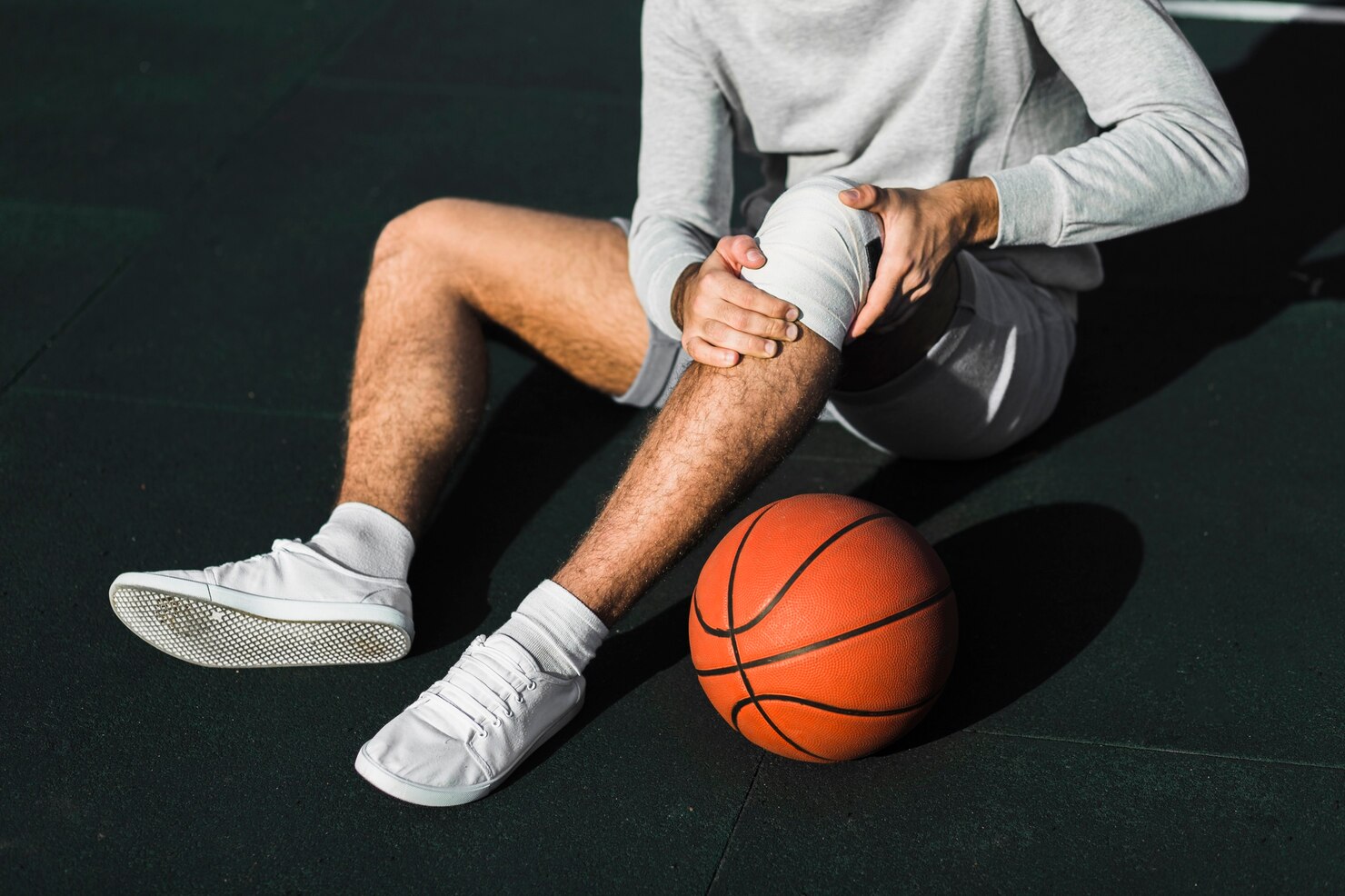
Sports & Performance care is built for people who move for a living, or for love of the game. It combines fast, accurate diagnosis with treatment plans designed around your sport, not just your scan.
As a sports injury doctor in Singapore, Dr. Gowreeson Thevendran works with runners, Hyrox athletes, footballers, and weekend warriors alike. Whether you’re chasing a personal best or just trying to keep up with your kids on the weekend, the approach is the same: identify the injury precisely, treat it with the least disruption to your training, and guide you back to full activity with a clear timeline.
This isn’t generic sports medicine. It’s care shaped around your goals, your sport, and how you actually train.
Why Sports & Performance Care Matters
Athletes don’t have the luxury of waiting. A missed week of training feels different when you’re building toward a race, a season, or a comeback.
Our sports injury clinic in Singapore is built around that reality. Rather than a slow, generalist path through multiple referrals, you see an orthopaedic sports surgeon in Singapore who can diagnose, treat, and plan your rehabilitation from the first visit.
Sports & Performance care helps you:

Fast & Accurate Diagnosis

Prevent Future Injury Risks

Know Recovery Timeline

Train Safely Around Injuries
Your Sports Injury Assessment
No two injuries behave the same way in a marathon runner and a rugby prop. That’s why every assessment starts with understanding you: your sport, your training load, and what “recovered” actually means for your goals.
Detailed Injury History
We start by understanding how the injury happened, what you felt at the time, your training volume leading up to it, and any previous injuries to the same area. Mechanism of injury tells us a great deal before we even examine the joint.
Movement & Load Assessment
Many sports injuries come from cumulative load, not a single moment. We assess movement patterns, strength imbalances, and training habits that may have contributed, so the treatment plan addresses the cause, not just the symptom.
Advanced Diagnostic Imaging
Where needed, imaging such as X-ray, ultrasound, or MRI helps confirm the diagnosis: ligament integrity, cartilage condition, tendon health, or the extent of a tear. This is particularly important for injuries like an ACL tear or a meniscus tear, where treatment decisions depend on precise grading
Personalised Return-to-Sport Plan
Once we’ve identified the cause of your injury, we’ll create a personalised recovery plan based on your sport, training schedule, and goals. You’ll know what activities to rest from, what you can safely continue, and when you can realistically return to training and competition.
Common Sports Injuries We Treat
ACL Tear Treatment (Singapore)
An ACL tear is one of the more serious knee injuries in field sports and pivoting movements. Treatment depends on the grade of tear, your age, activity level, and whether the knee remains stable during daily movement. We discuss both surgical reconstruction and, where appropriate, structured non-surgical rehabilitation.
Meniscus Tear Treatment
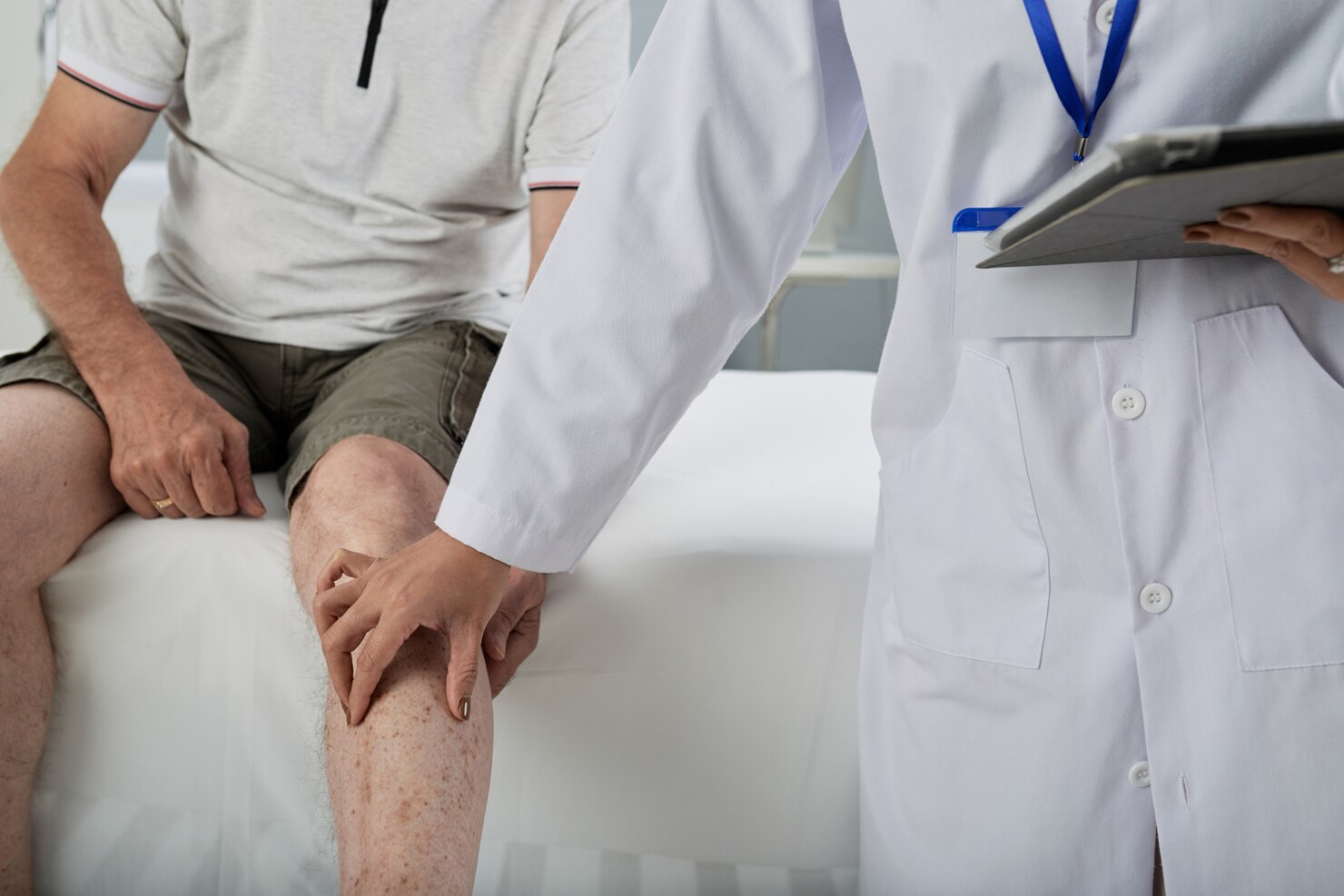
Meniscus tears range from small, manageable tears to more complex patterns that affect knee stability. Location and pattern of the tear matter: some heal with rehabilitation alone, others benefit from minimally invasive repair.
Achilles Tendon Injury
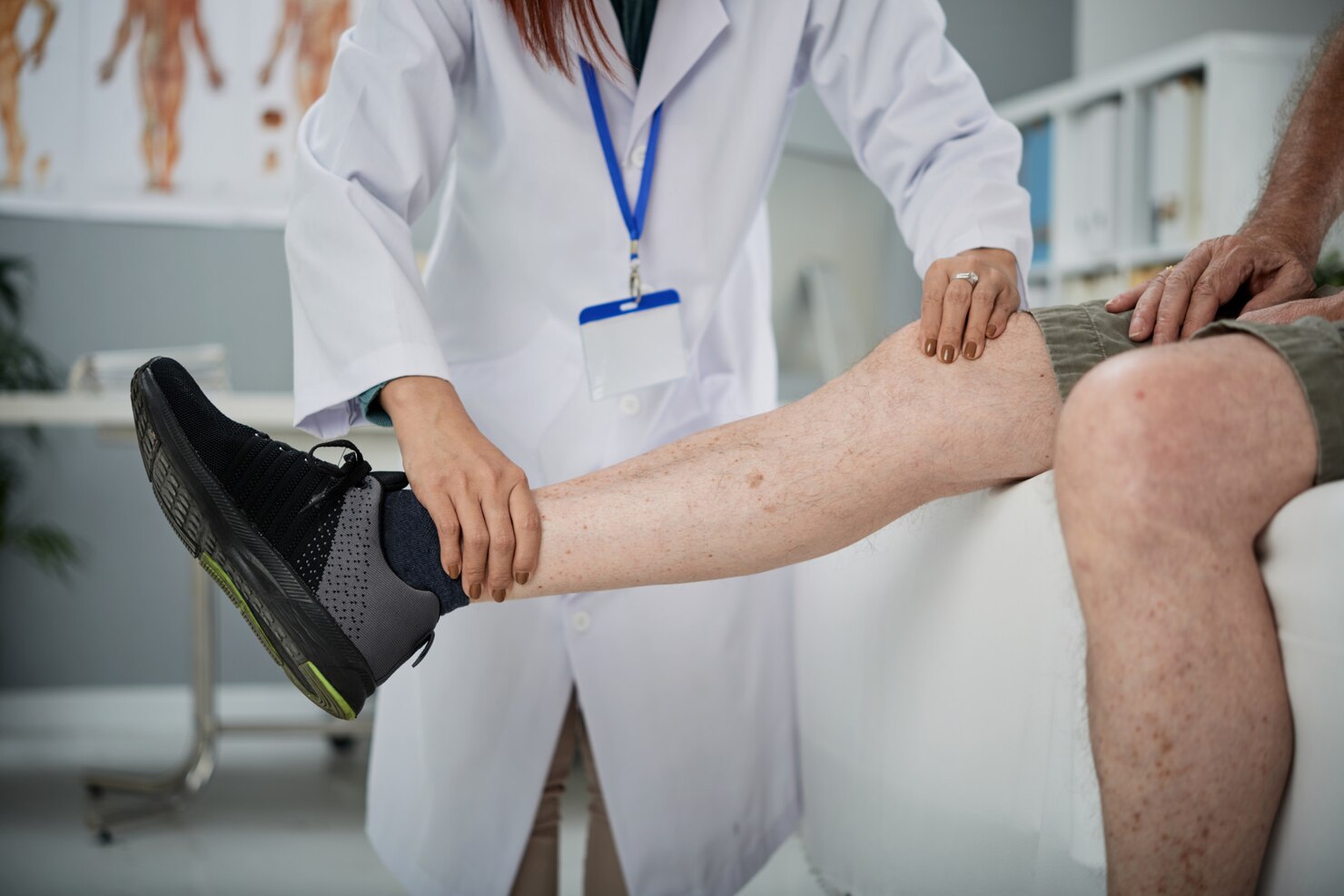
Common in runners and court-sport athletes, Achilles issues range from tendinopathy (gradual overload) to acute rupture. Getting this diagnosis right early changes the entire recovery timeline, since a missed rupture can mean months of delay.
Ankle Ligament Injury
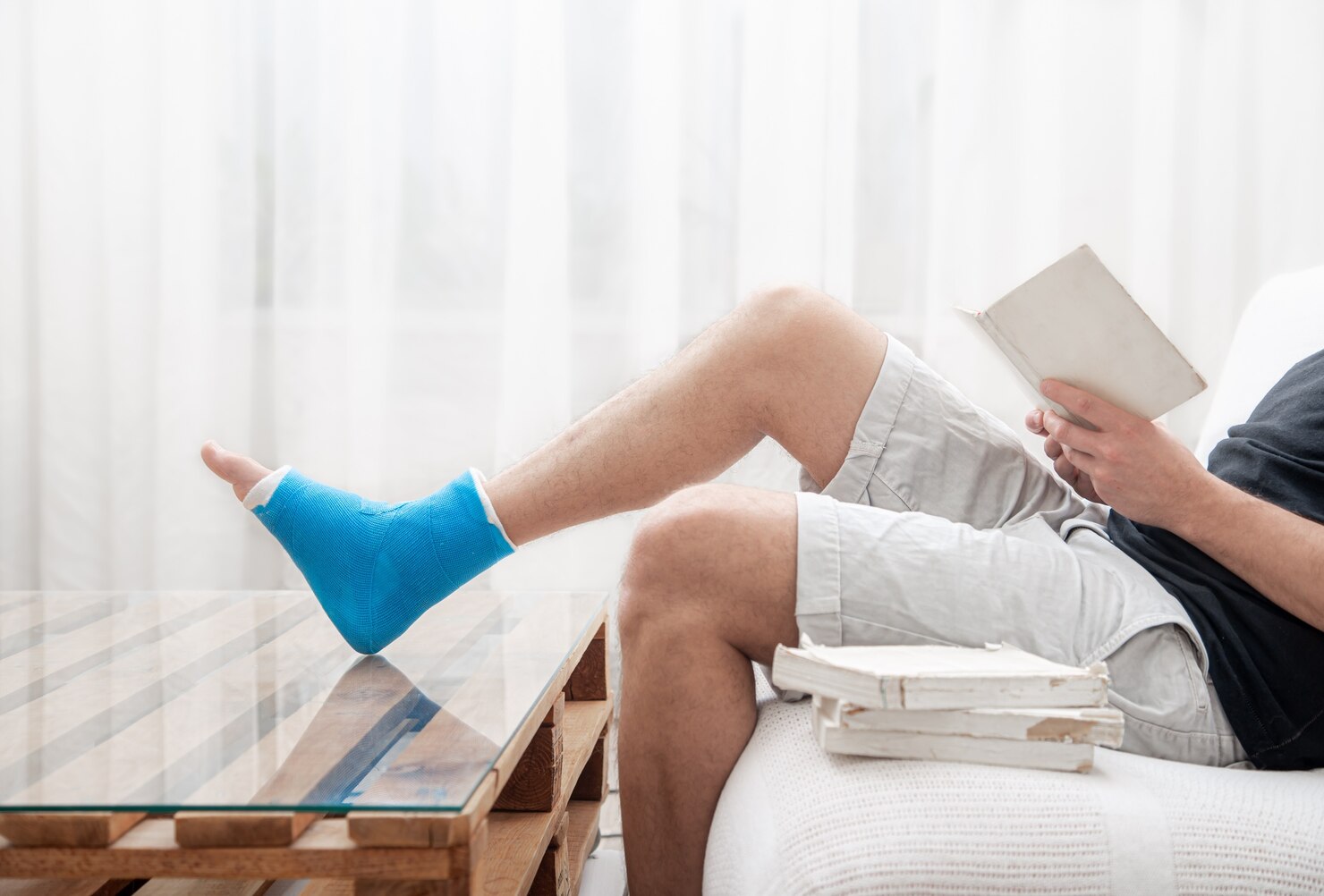
Ankle sprains are often dismissed as minor, but repeated or poorly rehabilitated sprains can lead to ongoing instability. We assess ligament integrity properly rather than assuming “it’s just a sprain.”
Cartilage Repair (Knee)
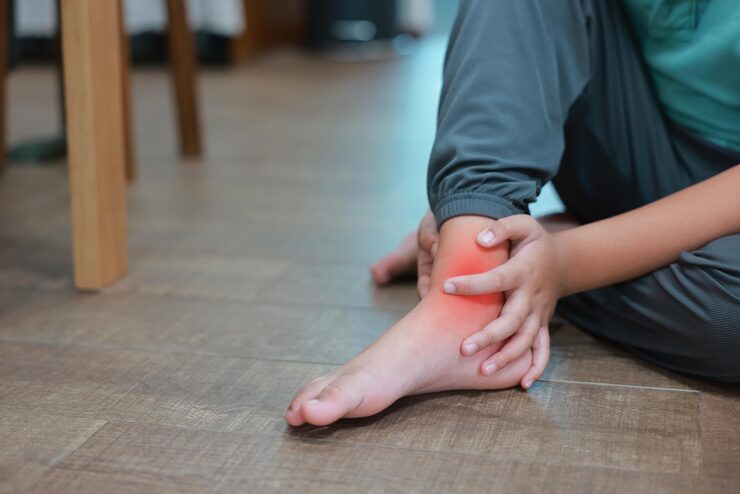
Cartilage damage doesn’t show up on an X-ray the way a fracture does, which is why athletes with ongoing knee pain and a “normal” X-ray often need further imaging. Depending on the extent of damage, treatment ranges from activity modification to cartilage-preserving procedures.
Who This Programme Is For
Whether your goal is finishing a race, getting back on the pitch, or simply staying active without pain, the plan is built around your sport and your timeline.
- Runners and Hyrox athletes: Overuse injuries, tendon issues, and load-related knee or ankle pain
- Footballers and field-sport athletes: Ligament injuries, pivoting injuries, and contact trauma
- Anyone returning from a previous injury: Support to return to sport with confidence, not guesswork
- Weekend warriors: Injuries from sudden increases in activity or a return to sport after time off
Return to Sport: What to Expect
Returning to sport takes more than waiting for pain to ease. At OrthofootMD, we create personalised rehabilitation plans based on your injury, sport, and recovery goals. From return-to-sport planning after surgery to guidance on when it’s safe to run again, we provide clear, evidence-based support at every stage. Our approach focuses on reducing re-injury risk while restoring strength, mobility, and confidence for a safe return to training and competition.
Sports Injury Prevention
Treating the injury in front of you is only half the job. Where possible, we also look at what made you vulnerable in the first place: training load, biomechanics, previous injury history, or muscle imbalances.
Sports injury prevention isn’t about eliminating risk entirely; athletes who push their limits will always carry some risk. It’s about reducing the preventable part: the injuries caused by poor load management, unresolved previous injuries, or returning to sport too early.
Why Choose OrthofootMD for Sports & Performance in Singapore?
Choosing the right sports medicine specialist matters more when your goal isn’t just “pain-free,” but “back to competing.”
Sport-Specific Rehabilitation Planning
Diagnosis-First Approach
Realistic, Honest Timelines
Frequently Asked Questions
What does a sports injury doctor in Singapore actually do?
A sports injury doctor diagnoses and treats injuries related to sport and exercise, from acute ligament tears to overuse tendon injuries, and guides your rehabilitation and return to activity.
How is an orthopaedic sports surgeon different from a general orthopaedic surgeon?
An orthopaedic sports surgeon has additional focus and experience in sport-related injuries and the specific demands of returning athletes to competition, rather than general joint conditions alone.
When can I run again after an injury?
This depends entirely on the injury. Some overuse injuries allow a gradual, modified return within weeks; more significant ligament or tendon injuries require a longer, staged approach. Your specific timeline is set after assessment.
How long is the recovery timeline after ACL surgery?
Recovery after ACL surgery is staged: early rehabilitation for motion and strength, followed by sport-specific training, and finally a graded return to competition. The exact timeline depends on your progress at each stage, not a fixed calendar date.
Can I treat a sports injury without surgery?
Many sports injuries respond well to non-surgical treatment and rehabilitation. Whether surgery is needed depends on the type and severity of the injury, which is determined during your assessment.
Do you treat injuries from Hyrox and functional fitness training?
Yes. Hyrox and similar high-load training formats often produce overuse injuries in the knee, ankle, and Achilles, which are areas we regularly assess and treat.
How can I prevent sports injuries?
Prevention starts with understanding your own risk factors: training load, previous injuries, and biomechanics. A proper assessment can flag issues before they become an injury.
When should I see a sports injury specialist?
See a specialist if pain persists beyond a few days, keeps recurring, affects your performance, or if you’re unsure whether it’s safe to keep training on it.