
What we treat
Hip and Knee : Treatment and Surgery in Singapore
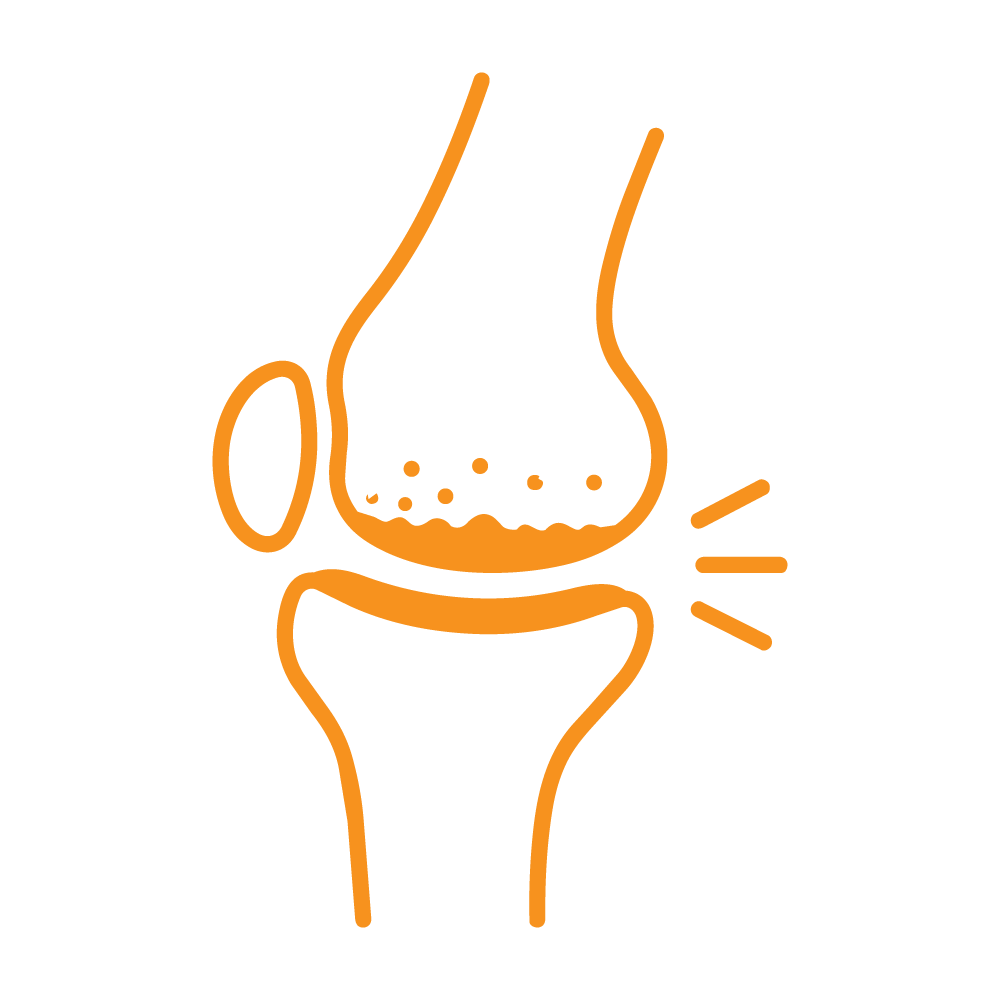
Knee pain
Often traced to a twisting injury on the field, years of joint wear, or overuse from training load. The pattern of pain points to the real cause today
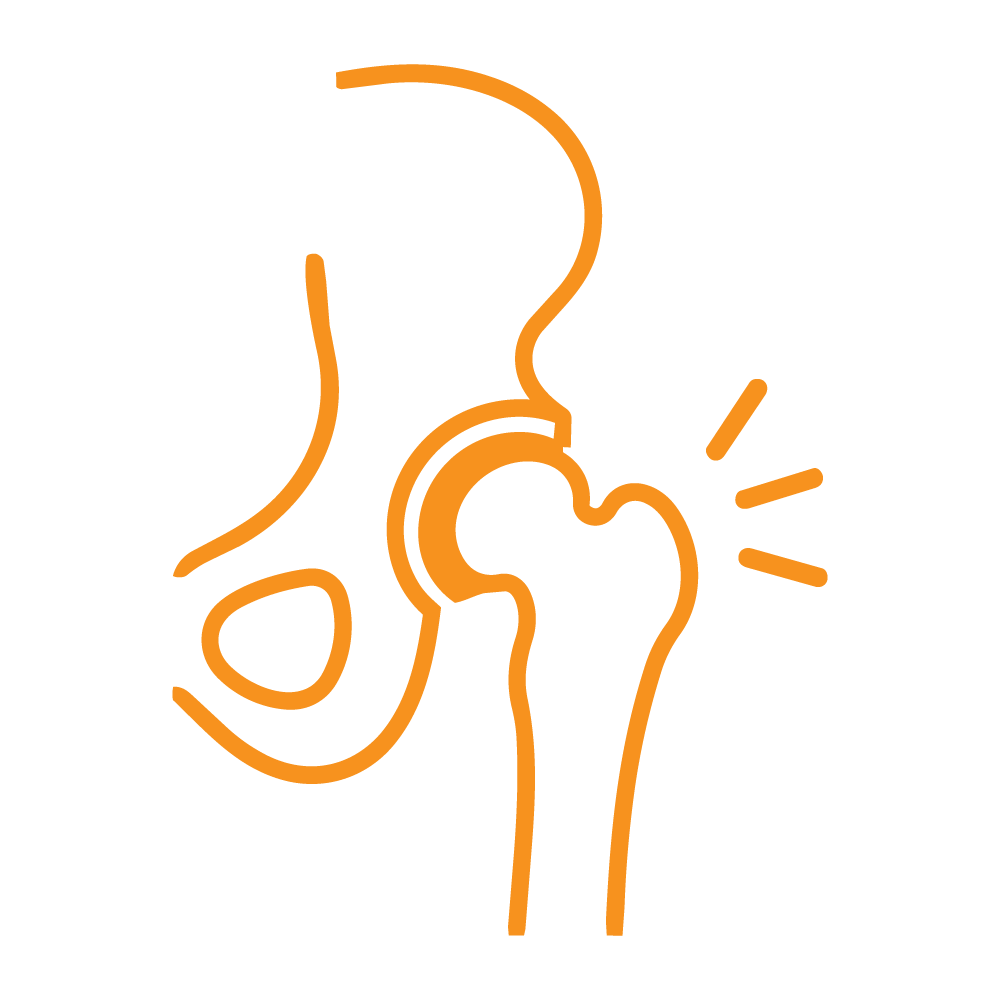
Hip pain
Can present as a deep, dull groin ache, a sharp catch when rising from a chair, or stiffness after long periods of sitting still at a desk or in a car.
Treatment guide
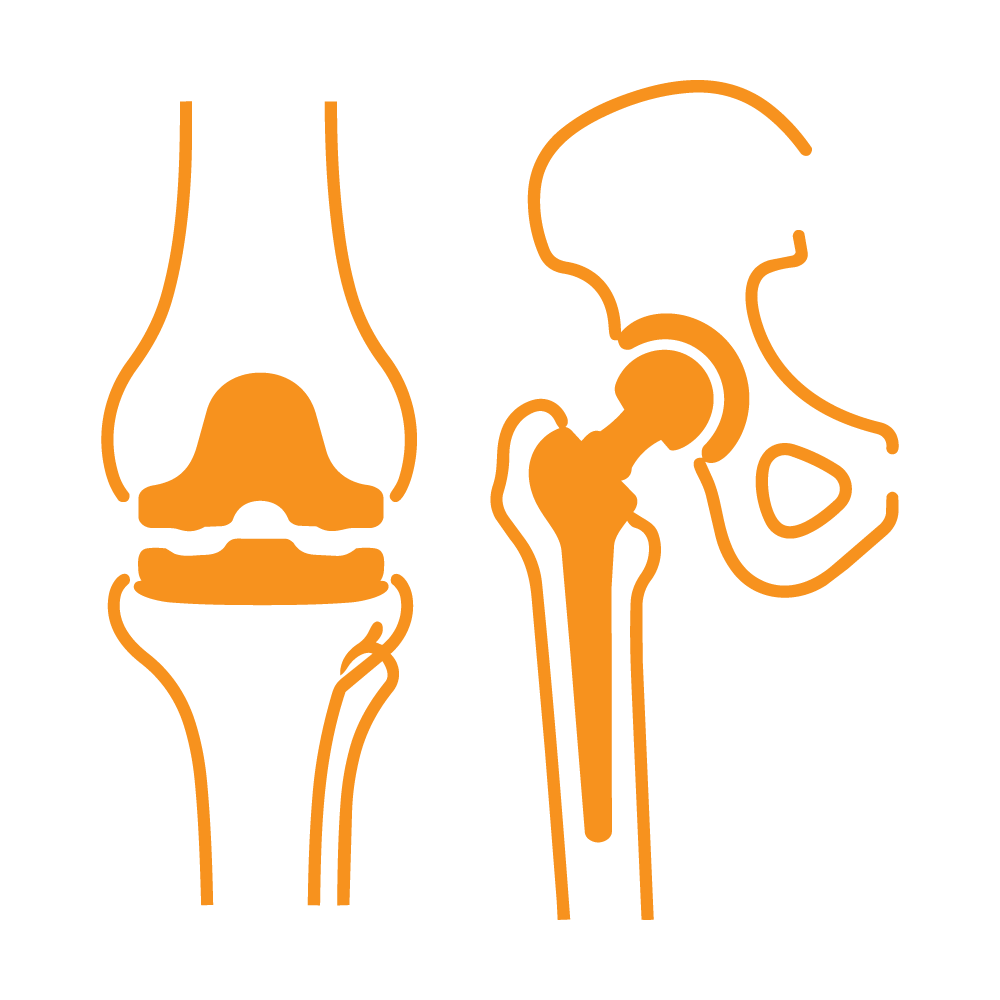
Which Treatment Should You Consider And When?
Here’s what each condition typically leads to, from straightforward recovery to when surgery enters the conversation.
Don’t wait it out
Hip and Knee Symptoms You Should Not Ignore
Some soreness fades after a rest day. Others signal a problem worth checking. Watch for:
- Knee pain that lingers after training or a game
- A sense that your knee might give way
- Swelling that doesn’t settle within a few days
- Hip or groin pain that changes how you walk
- Morning stiffness that takes a while to ease
- Clicking, locking, or catching in the knee
- New difficulty with stairs
How we assess
How We Assess Hip and Knee Problems
A proper assessment, not guesswork, is where the answer starts.
Conversation
Pain history: when it started, what makes it worse
Physical exam
Stability check, range of motion, locating the source
Imaging
X-ray or MRI, if needed, to confirm the diagnosis
Treatment plan
A clear path forward, surgical or non-surgical.

Meet your specialist
Dr. Gowreeson Thevendran
MBChB (Bristol) · MRCS.Ed · Dip. Sports Med.Ed · FRCS.Ed (Trauma & Ortho.) · FAMS (Singapore)
Dr Gowreeson Thevendran is an orthopaedic surgeon based at Mount Alvernia Hospital and Mount Elizabeth Novena Specialist Centre.
If your knee or hip pain keeps interrupting the things you’d rather be doing, an assessment is the clearest way to find out what’s driving it.
Questions patients ask
FAQs
How do I know if my knee pain needs a specialist?
Get it checked if it lasts more than one to two weeks, comes with swelling or instability, or makes stairs and squatting difficult.
Do I need surgery for a meniscus tear?
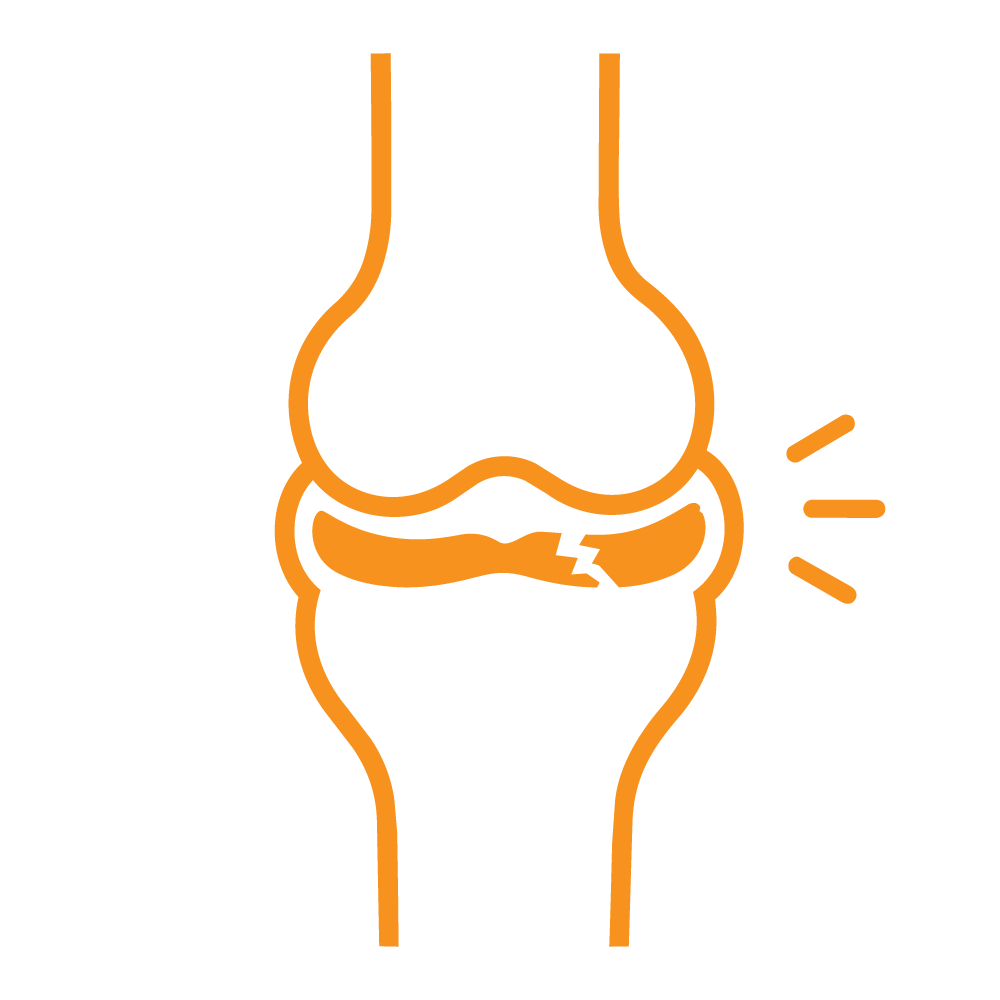
Not always. Smaller tears, especially without locking or catching, often improve with treatment alone. Larger or unstable tears usually need a closer look.
How long does recovery from ACL reconstruction take?
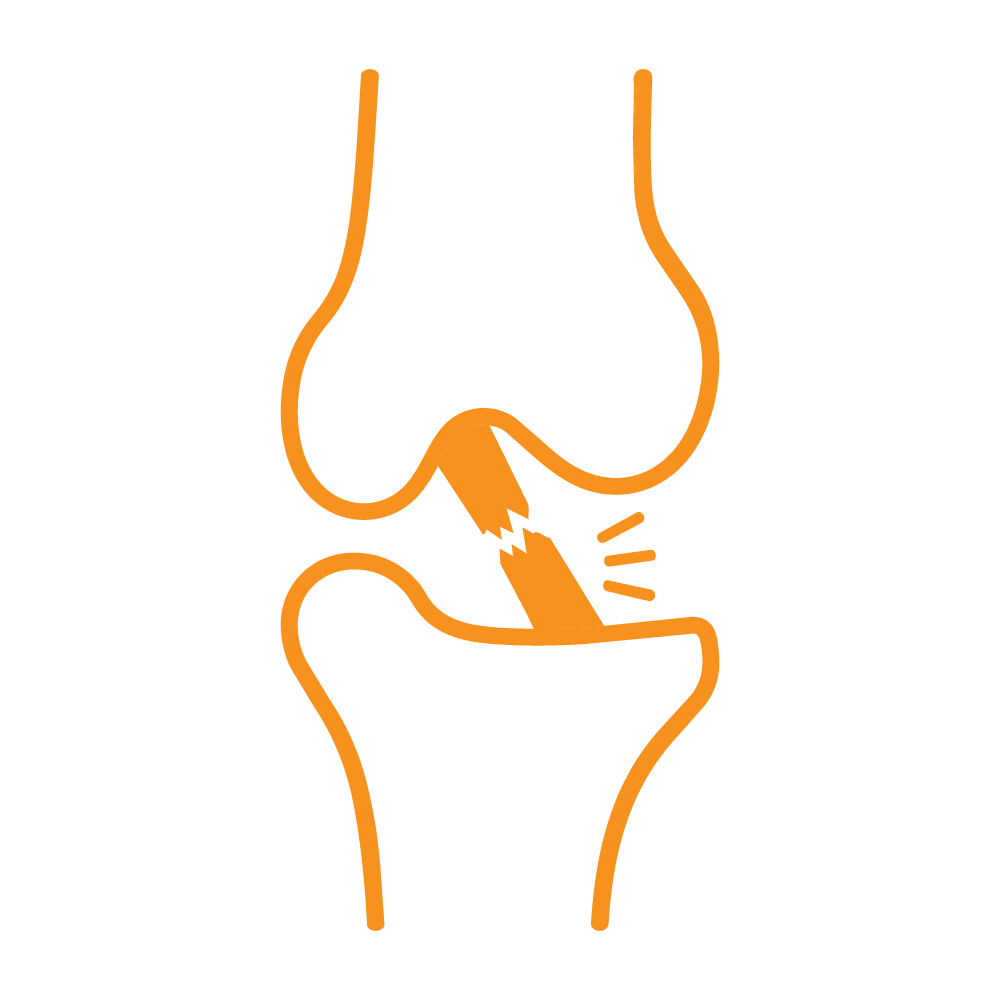
It varies by patient and sport, but most follow a structured rehab pathway over several months before returning to full training.
Is hip replacement only for older patients?
No. It’s based on how much pain and stiffness limit daily life, not age alone.
What is jumper's knee, and does it need surgery?
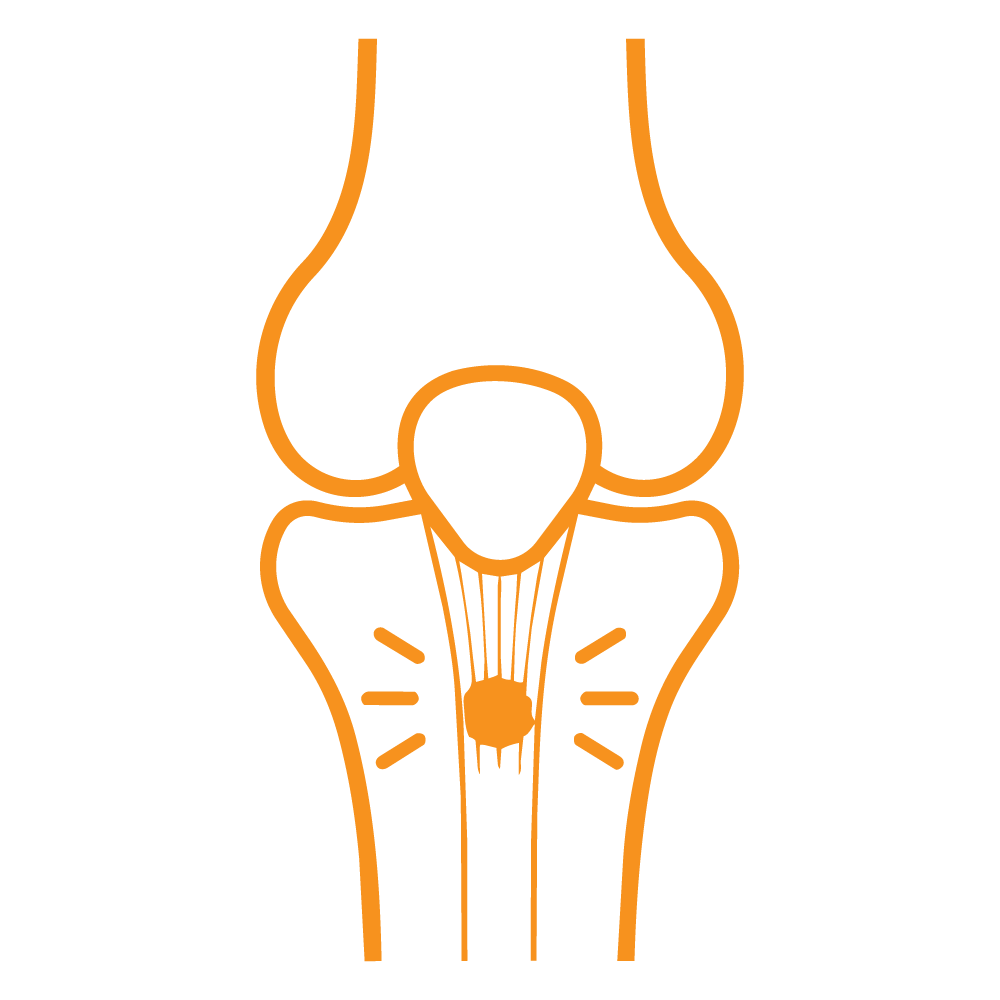
Irritation of the patellar tendon from repeated jumping or running load. Most cases improve with load management; surgery is rarely first.
Can hip or knee arthritis be managed without a replacement?
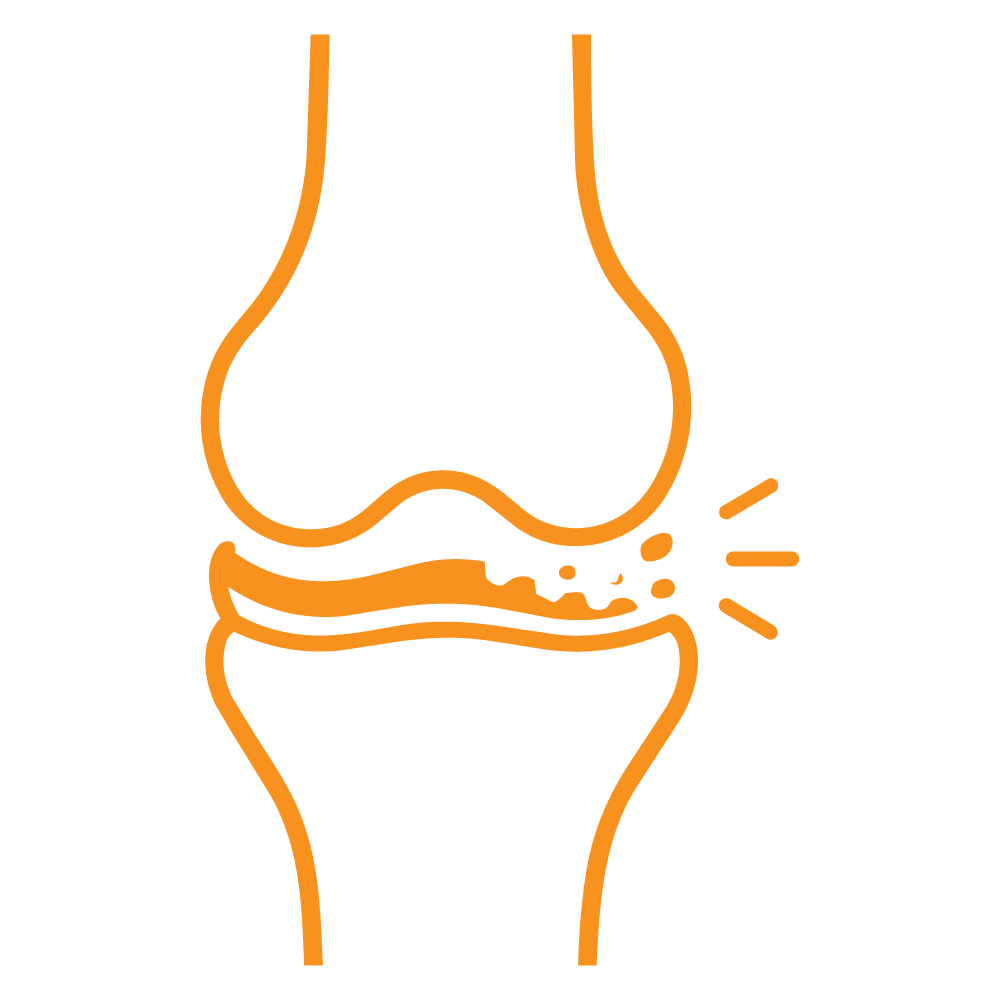
Often, yes, especially early on. Physiotherapy, activity changes, and injections can manage symptoms for years first.
Consult a Hip and Knee Specialist in Singapore
If your hip or knee pain has been going on for a while, get an assessment sooner rather than later. It’s the first real step toward lasting recovery.